

The Allure of Casino Gambling
Casino gambling has a captivating draw that entices millions of people every year. The flashing lights, the sounds of coins hitting metal, and the thrill of games can create an exhilarating atmosphere. Many individuals approach casinos with the hope of turning a small investment into substantial winnings, often overlooking the hidden costs associated with gambling, including the instant casino withdrawal time which can affect their overall experience. This allure can quickly turn from enjoyment into financial strain, as unsuspecting gamblers find themselves caught in the web of excitement that hides more than just risks.
As players step into a casino, the excitement can mask the reality of their spending habits. The initial bet may seem innocent, yet it often spirals into an extended session of wagering that can lead to substantial financial losses. Patrons may not realize how quickly their initial investment can dwindle when faced with enticing game options. Even a casual gambling session can lead to unexpected financial burdens, as the excitement often drives players to keep betting, hoping to recoup losses rather than walk away.
The blend of social interaction and the adrenaline rush from winning can create an environment that feels rewarding, further complicating the decision to continue gambling. Often, individuals justify their losses by thinking about potential wins just around the corner. This psychological aspect of gambling can significantly mask the reality that the majority of gamblers do not come out ahead, leading to an underestimation of the hidden costs involved. Recognizing this psychological pull is essential for anyone considering entering a casino.
The Financial Implications of Gambling
Many gamblers overlook the financial implications that extend beyond the immediate losses at the tables or machines. Beyond the direct costs of betting, there are several ancillary expenses that can accumulate over time. These include transportation costs, meals, drinks, and entertainment fees that add to the total expenditure. Casual gamblers may not account for how much these extras can inflate their total spending, particularly in environments designed to encourage patrons to stay longer and spend more.
Another hidden cost lies in the compulsion to gamble more than planned, leading many to use credit cards or lines of credit to finance their activities, contributing to debt and long-term financial consequences. Credit can create a false sense of security, allowing individuals to gamble beyond their means. Studies show that individuals who gamble using credit are more likely to experience gambling-related problems, including addiction. This cycle can lead to a devastating impact on personal finances and relationships.

Furthermore, the house edge in casino games is a critical factor that gamblers often overlook. Each game has a built-in advantage for the casino, meaning that statistically, players are more likely to lose over time. This inherent disadvantage calls into question the true value of the time and money spent gambling. Understanding the mathematics behind the games can help potential gamblers make informed decisions and acknowledge that what seems like harmless fun could lead to significant financial pain.
The Emotional Toll of Gambling
The emotional costs of gambling are often underestimated, yet they can be far more damaging than the financial losses incurred. The thrill of gambling can quickly turn into stress and anxiety, particularly for individuals who fall into the trap of chasing losses. The attempt to recover lost money can lead to compulsive behavior, resulting in further losses and emotional distress. This cycle can strain relationships with family and friends, as gambling becomes the primary focus of one’s life.
As individuals invest more time and money into gambling, they may begin to isolate themselves from their support networks, which can exacerbate feelings of loneliness and despair. The emotional fallout often leads to shame and guilt when losses occur. Many gamblers find it difficult to share their experiences with loved ones, creating a barrier that prevents them from seeking help. This isolation only deepens the emotional cost and can lead to long-term mental health issues.
Additionally, the cognitive dissonance experienced by gamblers as they grapple with the highs of winning and the lows of losing can be psychologically exhausting. The pressure to appear successful or in control only adds to the internal conflict. Recognizing these emotional costs is crucial for anyone involved in gambling, as awareness can help mitigate the risks and foster a healthier approach to entertainment and leisure activities.
The Role of Addiction in Gambling
Gambling addiction is a significant hidden cost that can devastate lives. Often, individuals begin gambling for fun or social engagement, but for some, it can quickly escalate into a compulsive behavior that dominates their lives. This addiction can lead to financial ruin, impacting not only the individual but also their families and loved ones. Acknowledging that gambling addiction is a real issue is the first step toward understanding the hidden costs associated with it.
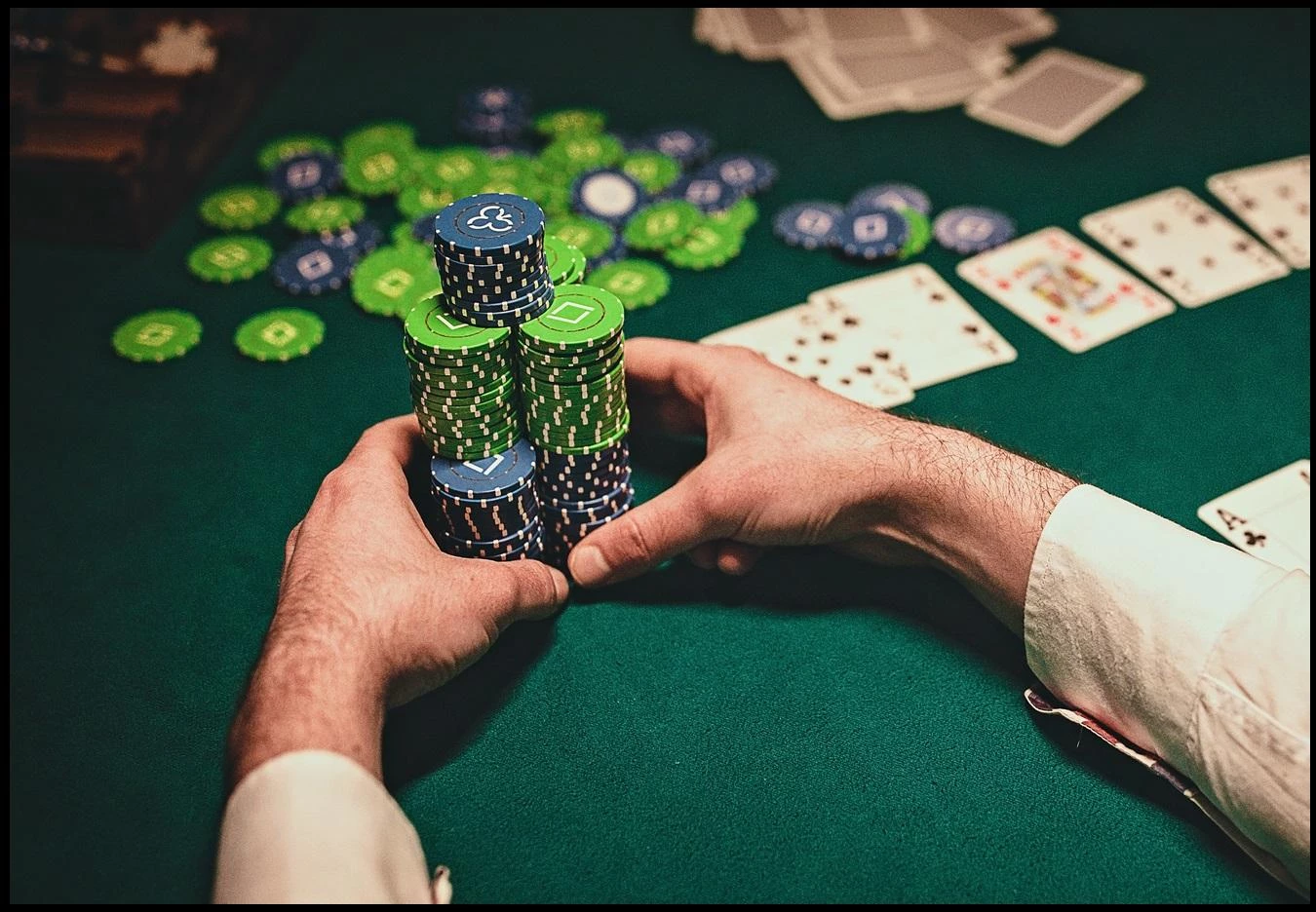
The symptoms of gambling addiction can be subtle at first but typically involve a growing obsession with gaming, neglect of personal responsibilities, and financial mismanagement. As the addiction takes hold, many people find themselves in precarious situations, borrowing money or resorting to unethical behaviors to fund their gambling habits. The emotional and psychological toll of addiction can lead to a diminished quality of life, affecting mental health and overall well-being.
Support and resources for those affected by gambling addiction are available, yet stigma and shame often prevent individuals from seeking help. Education on the dangers of addiction and awareness of support systems can play a crucial role in prevention. Understanding that gambling can lead to addiction is vital for anyone participating in this activity, emphasizing the need for responsible gambling practices to combat the hidden costs associated with these behaviors.
Exploring Resources for Responsible Gambling
Many resources are available to help individuals understand the hidden costs of casino gambling and encourage responsible gaming behaviors. Awareness campaigns, support groups, and educational resources can provide valuable information for gamblers at all levels. These initiatives aim to shine a light on the reality of gambling, helping individuals recognize the dangers associated with excessive gambling and addiction. By fostering an environment of accountability and education, communities can help minimize the impact of hidden costs.
Organizations dedicated to promoting responsible gambling offer frameworks and tools for those who might be struggling. They often provide tips on setting limits, recognizing signs of problematic gambling, and understanding the importance of taking breaks to assess one’s behavior. Such measures can empower individuals to make informed decisions about their gambling habits and mitigate potential losses. Awareness of available resources can make all the difference in preventing gambling-related issues.
Ultimately, creating a culture that encourages open conversations about gambling can reduce stigma and promote healthier attitudes toward gaming. By prioritizing education and support, individuals can navigate the world of gambling with a more informed and cautious mindset. Understanding the hidden costs involved can lead to a more balanced approach, ensuring that entertainment does not turn into a financial or emotional burden.