

The allure of chance and risk
The thrill of gambling has fascinated humans for centuries, often rooted in our primal instincts to take risks for potential rewards. The very architecture of casinos is designed meticulously to stimulate excitement, with every aspect crafted to keep players engaged. The randomness inherent in games of chance, such as slot machines and roulette, appeals profoundly to our desire for unpredictability and adventure, especially when exploring no verification casinos that enhance the experience with fewer barriers to entry. This thrill-seeking behavior taps into our neural pathways, activating the release of dopamine, a neurotransmitter associated with pleasure and reward, thereby creating a cycle that encourages continued participation.
Furthermore, the environment of a casino plays a pivotal role in shaping the overall gambling experience. Bright lights, engaging sounds, and the buzz of excitement create an atmosphere that encourages players to immerse themselves fully. Research has shown that individuals are more likely to gamble impulsively in stimulation-rich environments. This sensory overload can lead to a suspension of disbelief, making it easier for gamblers to overlook the odds and embrace the feeling of potential victory. It becomes a captivating dance between risk and reward that keeps players coming back for more.
Moreover, the psychology behind risk-taking is multifaceted. Some individuals may gamble as a means of escape, using it as a coping mechanism for stress or dissatisfaction in their daily lives. In this context, the act of gambling becomes less about the game itself and more about fulfilling emotional needs. The investment in a game, whether emotionally or financially, can heighten the sense of involvement, making the experience even more compelling. The combination of these elements creates a potent mixture that draws individuals back to the gaming tables time and again, often blurring the lines between entertainment and compulsion.
The impact of cognitive biases
Cognitive biases play a significant role in how gamblers perceive their chances of winning. One prevalent bias is the illusion of control, where players believe they can influence the outcome of games that are primarily based on luck. For example, betting on a specific number in roulette or choosing certain cards in poker may lead players to feel a sense of mastery over the game. This belief can result in a distorted view of reality, as individuals overestimate their skill or strategy involved in the game, leading to increased gambling behavior and often to financial losses.
Another common bias is the gambler’s fallacy, where players believe that past outcomes affect future results. For instance, after a series of losses, someone might think that a win is “due” to happen, which can lead to continued betting despite mounting losses. This misinterpretation can drive individuals further into the cycle of gambling, creating a false narrative that encourages irrational behavior. Understanding these cognitive biases is crucial for recognizing the psychological traps that can lead to problematic gambling behavior and the severe consequences that can follow.

Additionally, these biases are often exacerbated by the design of casino games, which are intentionally structured to create confusion and enhance the illusion of skill. The use of near-misses in slot machines, for example, gives players the impression that they are close to winning, reinforcing their behavior and encouraging them to continue playing. By recognizing these patterns, both players and regulators can develop strategies to mitigate the negative effects of the psychological influences embedded in gambling environments, promoting a healthier approach to gaming.
The social dynamics of gambling
The social aspect of casino gambling cannot be understated. Many individuals view gambling as a communal experience, often enjoying the entertainment alongside friends or family. This social interaction enhances the overall experience, making it more appealing. The camaraderie developed around gaming tables can lead to a sense of belonging, further motivating individuals to engage in gambling activities. In many cases, people may feel the pressure to gamble when with peers, leading them to participate even when they may not have initially intended to, driven by the desire to be part of the group.
Furthermore, casinos often leverage social dynamics through promotions and events designed to bring people together. Tournaments, themed nights, and group incentives foster a lively atmosphere that encourages communal play. This social environment can overshadow an individual’s rationale regarding their gambling decisions, as peer influence significantly impacts behavior. People may take risks they wouldn’t typically consider when surrounded by others who are partaking in the same activity, reinforcing the idea that gambling is a social norm.
Moreover, this sociability ties into the psychological concept of groupthink, where individuals may adopt the same beliefs or behaviors as those around them. In the context of gambling, a person may override their judgment based on the group’s actions or opinions. The endorsement of gambling as a leisure activity by friends can inadvertently validate excessive gambling behavior, making it harder for individuals to set limits on their gambling habits. Recognizing the powerful influence of social interaction in gambling is vital for understanding why many individuals find it challenging to control their gambling activities.
The role of addiction in gambling behavior
The intersection of psychology and addiction is a critical aspect of understanding casino gambling. The symptoms of gambling addiction can mirror those found in other substance use disorders, such as compulsivity, loss of control, and continued participation despite negative consequences. This abnormal behavior often arises when the brain’s reward system becomes desensitized to normal stimuli, prompting individuals to seek more significant thrills and risks to achieve the same levels of excitement. This process can lead to a downward spiral that is difficult to escape.
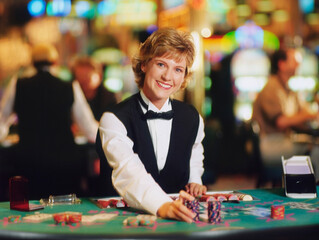
Many individuals who experience gambling addiction often report that the initial thrill of winning morphs into an endless pursuit of recapturing that exhilaration. The cycle of chasing losses can lead to significant financial, emotional, and relational repercussions, often prioritizing gambling over other essential aspects of life, including work and family obligations. Recognizing the signs of gambling addiction early is crucial for intervention, as delayed recognition can lead to severe consequences for both the individual and their loved ones.
Treatment for gambling addiction is complex but often involves a combination of cognitive-behavioral therapy and support groups. These approaches aim to help individuals understand the root causes of their gambling behavior, develop healthier coping mechanisms, and break free from harmful patterns. Understanding the psychology behind addiction is essential for addressing the issue effectively and supporting those affected in finding healthier outlets for their needs and desires. This holistic approach can greatly enhance the recovery process, providing individuals with the tools necessary to regain control of their lives.
Resources for understanding gambling psychology
As awareness of gambling-related issues grows, a plethora of resources are available to help individuals and their families understand the psychology behind this behavior. Educational materials, counseling services, and support groups are critical in offering insights into the complexities of gambling. Organizations focused on mental health and addiction provide guidance, helping individuals recognize patterns of behavior that may be harmful or damaging as they navigate their gambling experiences.
Moreover, many online platforms are dedicated to disseminating information about responsible gambling practices and psychological support for gambling-related issues. These resources can empower individuals to make informed decisions about their gambling habits and access professional help if needed. Knowledge about gambling addiction and its psychological underpinnings can strengthen community efforts to address and mitigate the impact of problem gambling, fostering a more informed environment for potential gamblers.
In addition to professional support, online communities and forums provide a space for individuals to share experiences and advice on coping strategies. These platforms foster a sense of connection and understanding, which can be vital in combating the isolation often felt by those struggling with gambling behavior. By harnessing both professional and communal resources, individuals can navigate the complexities of their gambling experiences and find paths to healthier choices, ultimately contributing to a more supportive and informed society regarding gambling issues.